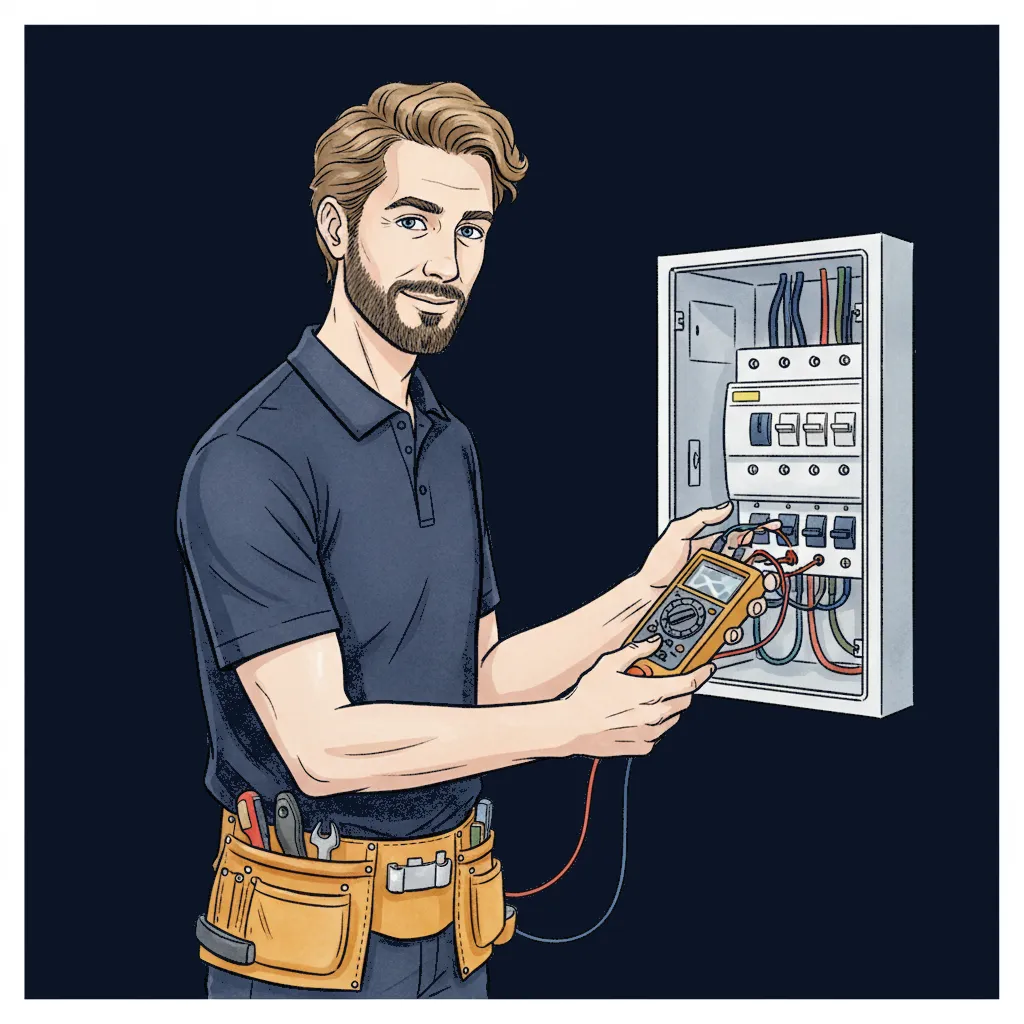
EICR in Kingston
Kingston upon Thames has one of the most active rental markets in south west London, driven largely by Kingston University and the working population around the town centre. A significant proportion of properties in KT1 and KT2 are let, and landlords across the Royal Borough are legally required to hold a valid Electrical Installation Condition Report (EICR) for every rental, renewed at least every five years and provided to tenants within 28 days of the inspection.
The housing stock makes a difference. Around Norbiton, Berrylands and parts of New Malden, much of the rental stock is 1930s semi-detached, often still on its original consumer unit or only partially upgraded. Closer to the town centre and along the Portsmouth Road, Victorian and Edwardian terraces frequently show signs of decades of incremental electrical work by different trades. Newer riverside developments and converted flats around Canbury and Kingston Bridge tend to be in better condition but can throw up issues around shared circuits, intercom wiring and undersized consumer units.
We are based in Kingston, so EICR jobs across the Royal Borough are usually straightforward to schedule. We test, report and, where required, carry out the remedial work and reissue the certificate. The aim is to give landlords a usable, properly coded report rather than a long list of avoidable C3 observations that make a property look worse than it is.
For homeowners in Kingston, an EICR is not a legal requirement but is typically recommended every ten years, and is often worth doing earlier if you have just bought an older property, are planning a renovation, or have inherited unknown electrical work from previous owners.
What an EICR covers
An EICR is a formal inspection and test of the fixed electrical installation in a property. In summary, the inspection covers:
- The consumer unit and main switchgear
- All final circuits (sockets, lighting, cooker, shower, immersion, outbuildings)
- Earthing and main protective bonding to gas and water services
- RCD and RCBO operation
- Sample testing of accessories such as sockets, switches and fittings
- Visible cable condition and signs of overheating, damage or DIY work
Each observation is coded C1 (danger present), C2 (potentially dangerous), C3 (improvement recommended) or FI (further investigation required). C1 or C2 observations result in an unsatisfactory outcome. For a full explanation of the codes and the inspection process, see the main EICR and landlord certificates page.
Common findings in Kingston properties
The pattern of findings depends heavily on the property type and when it was last touched. A few of the issues we see regularly in Kingston:
- 1930s semis in Norbiton and Kingston Vale: often still on a plastic consumer unit, sometimes with no RCD protection on socket circuits. Earthing arrangements may not meet current regulations, particularly where the gas supply has been rerouted. Typical C2 observations.
- Victorian and Edwardian terraces around the town centre: mixed cable types from successive partial rewires, undersized lighting cables, and original back boxes with cracked or worn insulation. C2 and C3 observations are common.
- Converted flats in older Kingston buildings: shared neutral arrangements between flats, inadequate fire barrier sealing around penetrations, and metal back boxes without earthing. These often need targeted remedial work rather than a full rewire.
- Newer riverside and town centre flats: typically in good condition, but landlord EICRs sometimes flag missing bonding to incoming services, or RCDs that have not been tested in years.
- Older HMOs around the university: Kingston has a sizeable HMO market serving the student and young professional population, and these properties typically face additional scrutiny under HMO licensing. The housing stock in this category often includes overloaded socket circuits, informal extension wiring added in bedrooms over the years, and ageing or non-functioning smoke and heat alarms.
Where we identify C1 or C2 issues, we provide a clear written quote for the remedial work alongside the report, so landlords can decide quickly. We prioritise EICRs tied to a new tenancy so landlords have the report comfortably ahead of the regulatory deadline.
What to expect
Every Kingston EICR is quoted after a quick conversation about the property, so the figure reflects the actual scope rather than a generic headline rate. As a guide:
- Typical two to three bedroom Kingston home, single consumer unit: priced after a short scoping conversation
- Larger properties, four plus bedrooms or multiple consumer units: quoted on the property and consumer unit count
- HMOs and properties with outbuildings or annexes: priced after inspection
A typical domestic EICR takes between two and four hours on site, plus report production. We can usually offer an appointment within a few days, and we prioritise EICRs needed for new tenancy start dates. There is no travel charge for EICRs anywhere within the Royal Borough of Kingston upon Thames. Contact us for a quote based on your property and the scope of work.
Frequently asked questions
Does the Royal Borough of Kingston require a specific EICR format?
The Royal Borough uses the standard EICR format set out in the Electrical Safety Standards in the Private Rented Sector (England) Regulations 2020. There is no Kingston specific template. Reports must be on the recognised EICR form, completed by a qualified and competent person, and provided to the council within seven days if requested.
How quickly can you complete an EICR before new tenants move in?
For Kingston properties we can usually carry out the inspection within a few working days of enquiry, and issue the report within a few working days of completing the test. If remedial work is needed, we will quote alongside the report so you can decide quickly and keep the tenancy on track.
Do you handle the remedial work if the EICR is unsatisfactory?
Yes. If the report identifies C1 or C2 observations, we provide a fixed price quote for the corrective work. Once the work is complete, we reissue the EICR with a satisfactory outcome and provide a Minor Works Certificate or Electrical Installation Certificate for any new or altered circuits. This keeps everything on one paper trail, which most landlords and letting agents in Kingston prefer.
What if my Kingston property has had previous DIY electrical work?
DIY work is common in older Kingston properties, particularly extensions to garden offices, summerhouses and outbuildings. We test it on the same basis as everything else. If something does not meet the current regulations, it is coded accordingly and we explain what is needed to bring it up to standard. The aim is to give you an honest picture, not to flag every cosmetic issue as a defect.